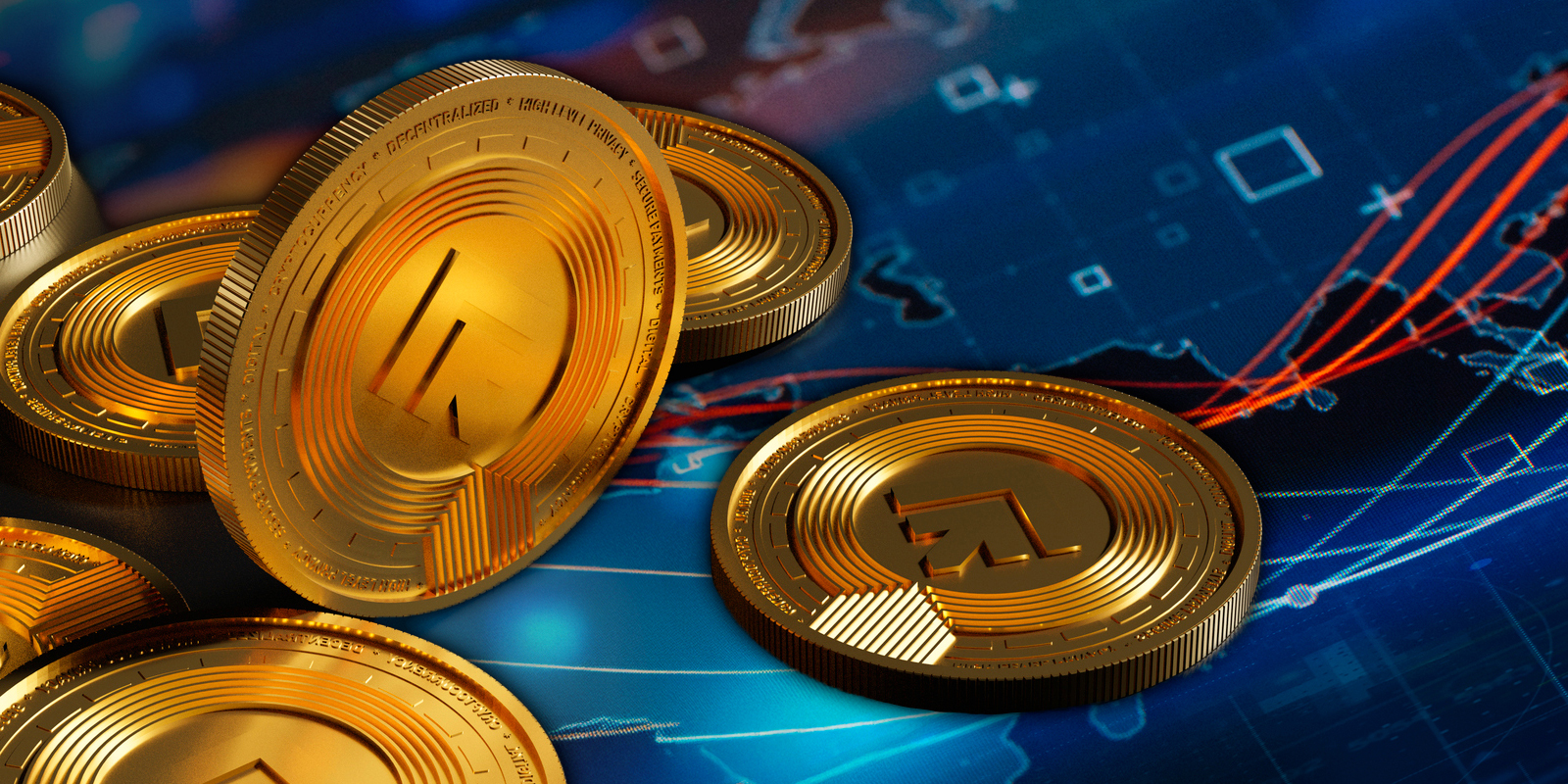
If you have spent any time reading financial news over the past few years, you have almost certainly come across the term virtual asset. It shows up in headlines about new regulations, in product brochures from banks, and in casual conversation among younger investors. Yet for many people, the phrase remains vague. What actually counts as a virtual asset, and why has it become such a central part of financial conversations in Hong Kong?
Defining a Virtual Asset in Simple Terms
At its core, a virtual asset is a digital representation of value that can be transferred, stored, or traded electronically, and that is not issued or guaranteed by a central bank or government authority. This broad definition covers a wide range of instruments, from well-known cryptocurrencies to newer forms of tokenized value that exist purely on distributed ledgers.
Unlike a bank deposit or a share certificate, a virtual asset typically lives on a blockchain, a shared digital record that many computers maintain together. This structure is what gives virtual assets their defining characteristics: transparency of transaction history, resistance to unauthorized alteration, and the ability to move value across borders without relying on a traditional intermediary.
The Main Categories of Virtual Assets
Payment-Type Tokens
These are the assets most people think of first, designed primarily to function as a medium of exchange or a store of value.
Utility Tokens
Utility tokens grant holders access to a particular product, service, or platform. Their value is often tied closely to the usefulness of the underlying project rather than to speculation alone.
Security-Type Tokens
These represent an ownership stake, a debt obligation, or a profit-sharing arrangement, and they are generally subject to closer regulatory scrutiny because of their resemblance to traditional securities.
Why Hong Kong Investors Are Paying Closer Attention
Hong Kong has positioned itself as a hub for regulated virtual asset activity in Asia, introducing licensing frameworks that aim to bring greater accountability to the sector. This shift matters because it changes the calculus for everyday investors. Rather than treating virtual assets as an unregulated curiosity, more people are now approaching them the way they would approach any other asset class: with research, diversification, and a clear understanding of risk tolerance.
Risks Worth Understanding Before You Invest
Price volatility remains one of the most visible risks associated with virtual assets. Values can swing significantly within a single trading session, which makes position sizing and risk management essential rather than optional. Custody risk is another factor, since losing access to a private key can mean losing access to the asset itself, with no central authority able to reverse the loss.
Regulatory risk also deserves attention. As frameworks continue to evolve, the rules governing how virtual assets can be bought, sold, and held may change, sometimes with limited notice. Staying informed about the regulatory environment in your jurisdiction is a practical habit rather than an optional extra.
Getting Started the Right Way
For newcomers, the safest approach is usually to start small, use only funds you can afford to lose, and prioritize platforms that operate under a recognized regulatory framework. Many first-time investors in Hong Kong begin their research by comparing licensed intermediaries, and a good starting point is looking at how a virtual asset structures its account opening process, fee schedule, and custody arrangements before committing any funds.
Taking time to understand order types, withdrawal procedures, and how a platform segregates client funds from company funds can prevent a great deal of frustration later on. It is also worth reading any available disclosure documents in full rather than skimming them, since important details about fees and risks are often buried in the fine print.
Building Long-Term Understanding
Virtual assets are not a passing trend to be understood once and then ignored. The technology and the regulatory landscape around it continue to develop, so ongoing education matters more here than in many traditional asset classes. Following updates from regulators, reading independent research, and periodically reassessing your own risk tolerance are all part of responsible participation in this space.
Frequently Asked Questions
Is a virtual asset the same thing as a cryptocurrency? Not exactly. Cryptocurrency is one type of virtual asset, but the broader category also includes utility tokens, security tokens, and other forms of digital value that may not function as currency at all.
Do I need special technical knowledge to hold a virtual asset? Basic technical literacy helps, particularly around wallet security and private key management, but most regulated platforms are designed to make the process accessible to non-technical users.
Are virtual assets legal to hold in Hong Kong? Yes, holding virtual assets is legal, and Hong Kong has introduced licensing regimes for platforms that facilitate their trading, which is intended to improve investor protection.
Conclusion
Understanding what a virtual asset actually is provides the foundation for making informed decisions in a market that continues to attract both curiosity and caution in equal measure. Rather than approaching this space with either blind enthusiasm or blanket skepticism, taking the time to learn the terminology, the risks, and the regulatory context puts you in a far stronger position to decide whether and how virtual assets fit into your own financial plans.