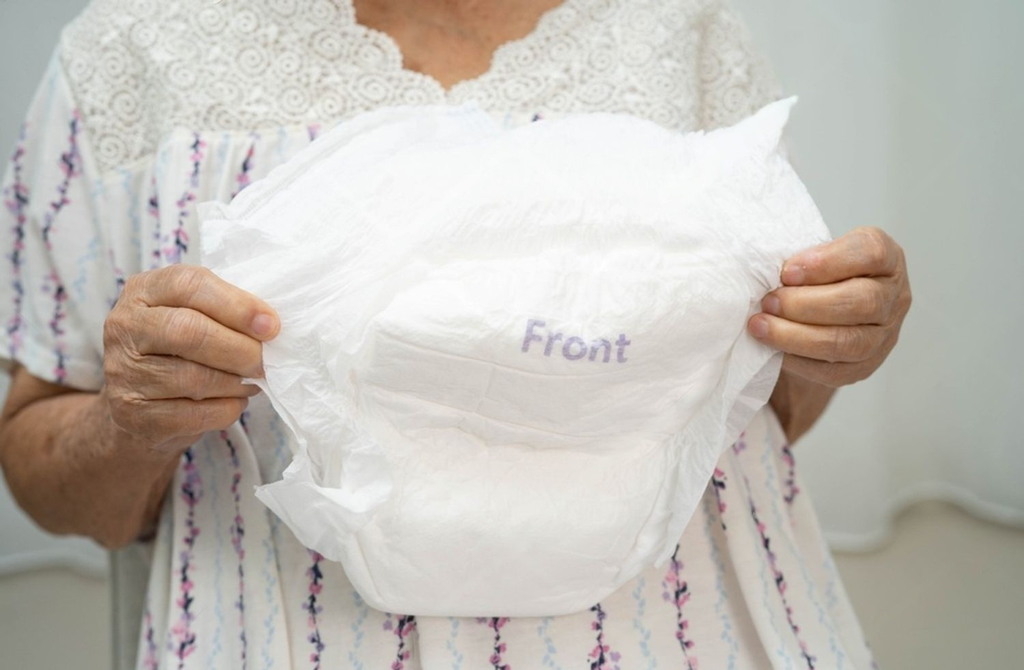
Stress incontinence usually causes small leaks during activities such as coughing or laughing, while urge incontinence can cause sudden, larger leaks with little warning. Choosing the right incontinence product depends on the amount and timing of leakage, as well as fit and comfort, and not just whether it is labeled for men or women.
Key takeaways
- Stress incontinence: Leakage often happens during coughing, laughing, sneezing, or physical activity
- Urge incontinence: Sudden urgency can cause unexpected leakage before reaching the toilet
- Product choice: Match absorbency, capacity, and fit to your usual leakage pattern
- Mixed incontinence: When both patterns occur, reassess whether your current protection meets both needs
A small leak from laughing too hard is a different problem than a sudden urge that does not leave enough time to reach the bathroom. Both fall under ‘incontinence’, but they are not the same. And that changes what actually helps.
So, it can be well understood that stress and urge incontinence come with different leakage patterns. You have to know which one applies to your patient’s condition so as to choose the right product. There’ll be no more guessing game!
Understanding the Two Types and Their Distinct Patterns
Stress and urge incontinence can both cause urine leakage, but they tend to follow very different patterns. Understanding when leakage happens, how much urine is typically released, and how much warning there is can help you identify the type of protection that is more likely to suit the situation.
What Is Stress Incontinence?
Pressure on the bladder forces out a small amount of urine; this usually gets triggered by something specific like coughing, laughing, lifting something heavy, a hard sneeze, or exercise.
It mostly happens due to weakened pelvic floor muscles, including after pregnancy and childbirth. That’s a big part of why women struggling with stress incontinence often resort to adult female diapers and also light, frequent-leak pads.
A Singapore-based study published in the International Urogynecology Journal, part of the Integrated Women’s Health Program, found that among midlife Singaporean women, stress incontinence and mixed incontinence were the most common types, each affecting roughly 20% of the women studied. Postmenopausal women showed a lower risk of stress incontinence specifically, but a notably higher risk of urge incontinence compared to premenopausal women.
What Is Urge Incontinence?
No physical trigger here. Just a sudden, intense need to go, sometimes with a larger release before you make it to a toilet.
Men deal with this one more than stress-related leakage, usually tied to the prostate. Prostate conditions are already a significant health issue locally. Singapore’s National Cancer Centre reports prostate cancer as the most commonly diagnosed cancer among men in the country, and an enlarged prostate, whether from BPH or post-treatment changes, is one of the leading causes of urge incontinence in men. Which is why adult diapers for men are the solution here!
Important Note: Some people deal with both at once. This is clinically known as mixed incontinence. If leaks happen during activity sometimes and out of nowhere other times, a product built for just one pattern probably is not going to hold up.
Why the Pattern Actually Matters for What You Buy
Stress leaks are small, sudden, and tied to a specific moment. A lighter, discreet product may be suitable when leaks are small but recurring, without using more absorbency than the situation requires.
On the other hand, urge leaks give you less warning and sometimes more volume in one go. In these cases, look for products with quick absorption and enough capacity to handle less predictable episodes.
The difference becomes easier to see when the two leakage patterns are compared side by side, particularly in terms of what to look for when choosing protection.
| Factors to Consider | Stress Incontinence | Urge Incontinence |
| What typically triggers it? | Coughing, laughing, sneezing, lifting, exercise, or other physical pressure | A sudden, intense urge to urinate with little warning |
| How does leakage tend to occur? | Usually smaller leaks associated with a specific activity or movement | Can involve a larger release that happens before reaching the toilet |
| What matters when choosing protection? | Comfortable, discreet protection suited to lighter but recurring leaks | Faster absorption and sufficient capacity for less predictable episodes |
| What should you watch for? | Frequent leaks during particular activities | Unexpected leakage with little time to respond |
Table: Stress vs urge incontinence – leakage patterns and product considerations
Is Anatomy the Only Thing That Should Decide Fit?
No. Adult female diapers and adult diapers for men are shaped differently for real anatomical reasons, fair enough. But which type of incontinence someone has matters just as much once you are actually picking absorbency.
A woman dealing with urge incontinence from a neurological condition needs something different from one managing ordinary postpartum stress leaks, even though they’d both reach for the same shelf.
Caution: Buying purely by gender label, without checking which pattern’s actually happening, is one of the more common reasons a product feels wrong even though it’s technically the “right” one for that anatomy.
Pro Tip: Not sure which one fits? Consider trying a product with a different absorbency level or design and monitor whether it provides adequate protection and comfort. If leakage continues, the issue may be related to fit, absorbency, or the underlying condition rather than simply needing a bulkier product.
A Quick Self-Check
A few simple questions can help you identify your usual leakage pattern and whether your current incontinence product is keeping up. Look at what typically triggers leakage, how much warning you get, and whether the amount of urine has changed recently.
- Does leakage happen during a specific action, or does it arrive out of nowhere?
- Is it usually small, or does it sometimes catch you off guard with more volume?
- Has the pattern changed lately, or stayed pretty consistent?
- Does your current product handle one type fine but struggle with the other?
Remember: If leakage is new, suddenly worsening, or accompanied by pain, blood in the urine, fever, or difficulty emptying the bladder, seek medical advice rather than relying only on a change in absorbency product.
Final Thought
Stress and urge incontinence are not just two names for the same thing. They are different mechanisms with different leakage patterns, and that should shape what ends up in your cart. A product built for one can quietly fall short for the other, even when the packaging and price look nearly identical.
Ready to Purchase the Right Product?
If it’s been a while since you checked which pattern you are actually dealing with, a small trial pack matched to that specific pattern is worth trying before committing to a bigger order, rather than sticking with whatever’s worked before out of habit. Finding a reliable incontinence product supplier can make it easier to compare absorbency levels, fits, and product types before making a larger purchase.