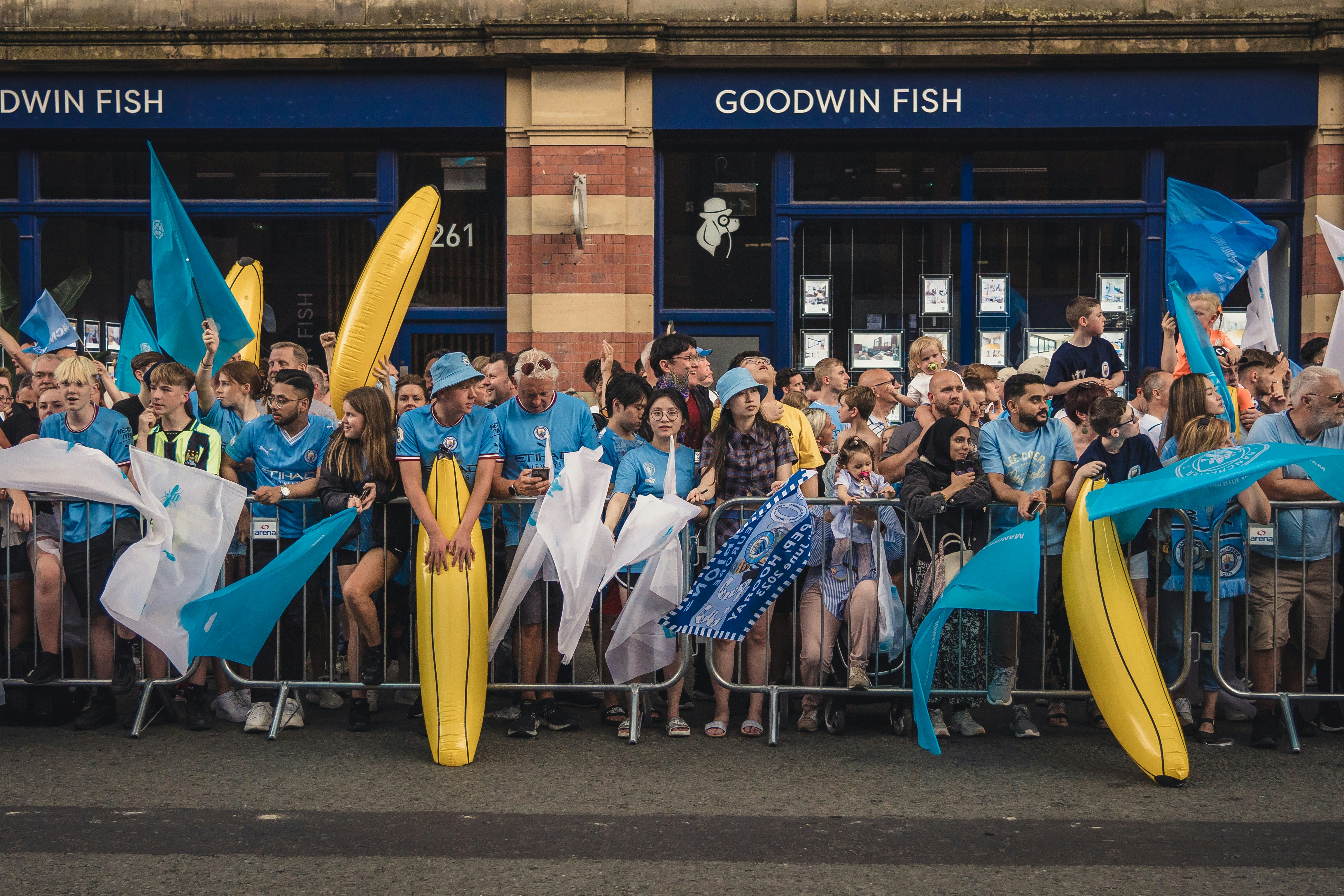
Football clubs used to fight for trophies. Now they fight for your screen time too. Betting companies spotted that change early, and modern sponsorships suddenly became about clips, phones, livestreams, and fans who never really switch football off anymore.
Premier League clubs used to sell shirts, tickets, and television rights. Now they sell attention. Manchester City clips bounce around TikTok before most fans even leave the stadium, and football sponsors want a piece of that constant traffic. Betting companies figured this out early on. The match itself still matters, obviously, though the real business now happens before kickoff and long after the final whistle.
Football Sponsorships Became Part of the Matchday Experience
Twenty years ago, football sponsorships looked very different. A company paid for a logo on the shirt, maybe bought a few stadium boards, then hoped supporters remembered the name later that night. Premier League football became far more valuable once clubs realised fans never really disconnect anymore. The conversation carries on through livestreams, podcasts, clips, fantasy football debates, and transfer rumours bouncing around social media at all hours.
That environment suits modern sport betting platforms perfectly because football fans already spend huge parts of the week glued to match coverage. Betway’s partnership with Manchester City puts the brand inside one of football’s biggest entertainment machines, where supporters move constantly between live scores, mobile betting, and football content. Manchester City generated 786 million social media engagements during 2024, the highest total in world football, which explains why betting companies now chase digital visibility just as aggressively as television advertising.
Football Stars Became Bigger Than the Clubs Themselves
Premier League football still revolves around clubs, though the biggest money increasingly follows individual personalities. Erling Haaland, worth about $100 million, signed a contract extension with Manchester City earlier this year reportedly worth more than £500,000 per week, putting him among the highest-paid athletes in world football. Cristiano Ronaldo, who is worth an estimated $1.4 billion, crossed 650 million Instagram followers during 2024, which gives him a larger audience than most television networks. Football sponsorships now chase those personalities because players drive enormous traffic on their own.
That celebrity factor changed the betting industry too. Modern football audiences follow players almost like music stars or movie celebrities. Jude Bellingham transfer rumours dominate social media for days at a time. Lionel Messi’s move to Inter Miami reportedly helped Adidas sales jump sharply across North America within weeks of his debut. Betting companies want to sit inside that same attention economy because football fans keep engaging with player news long after matches finish.
Money flowing into football reflects that celebrity culture. The Premier League generated £6.7 billion in revenue during the 2022/23 season, while Manchester City earned €825 million during 2023/24 according to Deloitte’s Football Money League. Sponsorships now revolve around global personalities, digital engagement, and fan attention that never really switches off anymore.
Mobile Betting Turned Football Into Constant Engagement
The smartphone changed football culture completely because supporters carry the match around in their pocket now. Fans watch highlights at work, check scores in supermarket queues, and argue about VAR decisions long after the game finishes. Betting companies adapted quickly because football audiences already lived on mobile devices.
Live betting exploded alongside that behaviour. Grand View Research valued the global sports betting market at $100.9 billion during 2024, with projections reaching $187.39 billion by 2030. Mobile betting plays a huge role in that growth because supporters want instant access during matches instead of waiting until kickoff. The average football fan now interacts with the sport continuously through apps, clips, notifications, and live odds.
Premier League clubs understand this perfectly. Manchester City partnered with Betway before the 2024/25 season because betting brands already operate inside the same digital ecosystem as football media. Supporters watching Champions League matches often bounce between commentary clips, score alerts, betting markets, and social reactions without even thinking about it. Football became part entertainment product, part digital habit.
Fast-Paced Games Started Following Football Culture
Football audiences became comfortable with instant reaction culture. A goal gets clipped onto social media within seconds. A red card turns into memes before halftime. Betting platforms noticed the same appetite for fast engagement and started building games around shorter attention cycles.
Crash games exploded from that environment. Aviator became especially popular across African betting audiences because the pace feels similar to modern football consumption. Rounds last seconds rather than hours, and the action never really stops. That same rhythm appears across football coverage too. Supporters jump from clips to highlights to livestream reactions constantly because the entire entertainment cycle moves faster now than it did a decade ago.
Football Brands Now Compete for Attention All Day
Football clubs still care about trophies, though attention became just as valuable as silverware. The biggest teams operate like entertainment companies now because supporters consume football constantly through phones, apps, clips, and live content. Betting brands moved naturally into that world because the audience already lived there.
The next generation of football sponsorships will probably look even more digital than today. Television advertising still exists, though the real fight happens on mobile screens where supporters spend most of their day. Premier League clubs understand that reality perfectly, and betting companies clearly do too.