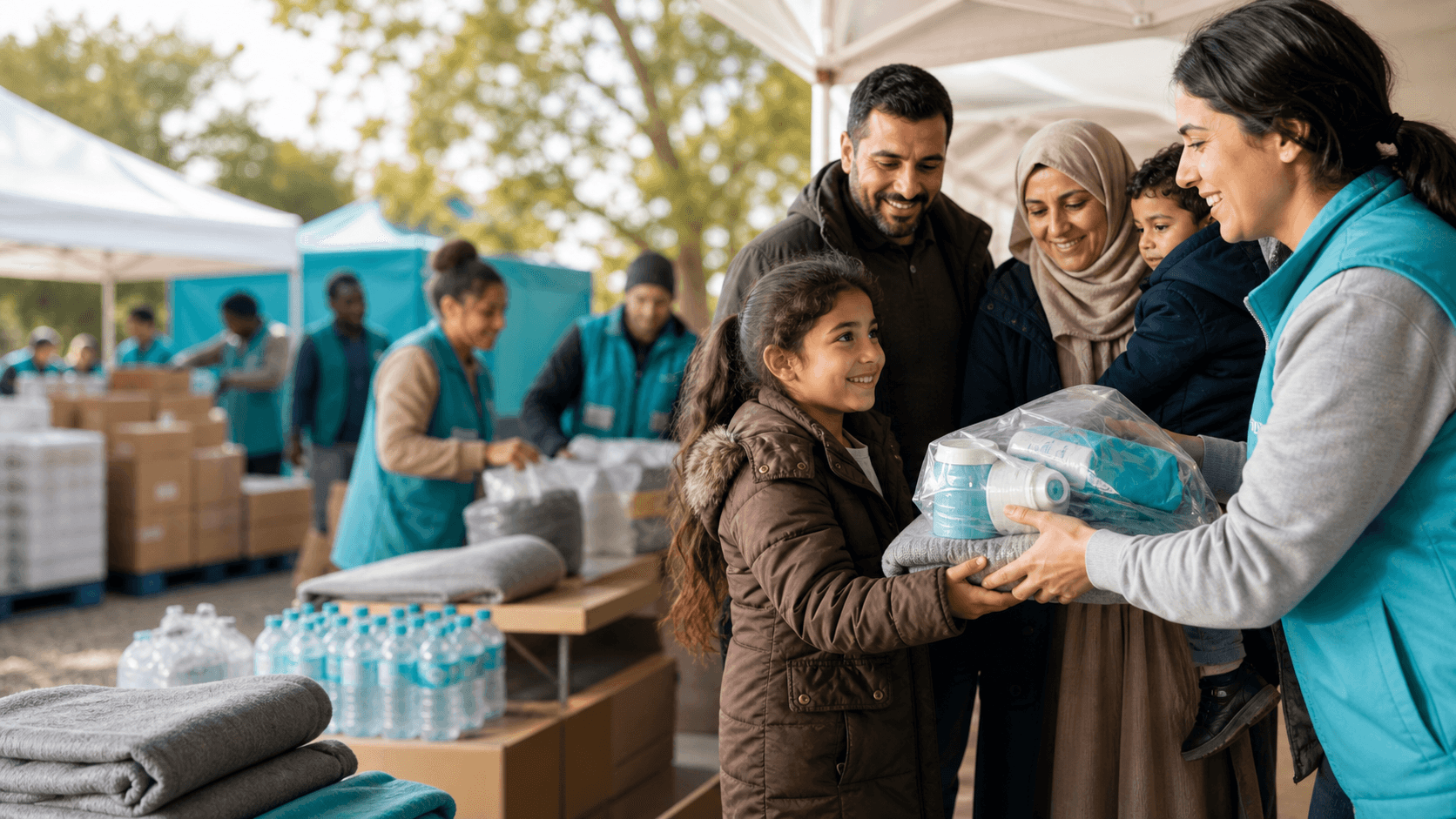
Every enduring house of worship carries a story of quiet generosity built into its foundation. Long after construction ends, philanthropy continues the essential work of keeping these institutions vibrant, relevant, and resilient. It safeguards far more than physical structures and annual budgets—it ensures the continuity of communities anchored in shared faith. Looking at how philanthropy achieves this highlights just how vital generosity remains to the future of religious life.
It Preserves Sacred Architecture for Future Worshippers
Some of the world’s most cherished religious landmarks survive today thanks to dedicated philanthropic investment. The Aga Khan Trust for Culture offers a compelling example. Over three decades, the organization has spearheaded more than 350 restoration and conservation projects across ten countries, including eleven UNESCO World Heritage Sites, while training local artisans in traditional building techniques, according to the Aga Khan Development Network. Its work restoring centuries-old mosques—from wooden structures in Pakistan’s Hunza Valley to Cairo’s historic Blue Mosque—keeps these remarkable spaces active for new generations of worshippers. This level of commitment shows how sustained support carries sacred spaces safely into the future.
It Funds the Ministries That Keep Communities Connected
Beyond physical walls, philanthropy sustains the everyday ministries that give a religious institution its purpose. Educational programs, youth initiatives, and community outreach depend on consistent support. When donors invest in these efforts, they ensure a house of worship remains an active, meaningful presence in people’s lives rather than just a place to visit occasionally. This ongoing financial commitment allows leaders to expand local food pantries, host counseling services, organize family support groups, and respond quickly whenever families in the neighborhood face sudden hardships or unexpected crises.
It Builds Financial Resilience Through Long-Term Planning
Thoughtful philanthropy often takes the form of endowments, legacy gifts, and planned giving, creating financial stability that carries institutions through changing times. This long-term support provides a reliable safety net, enabling leaders to plan thoughtfully for the future rather than focusing only on immediate expenses. That enduring stability serves as the quiet backbone for every project, outreach effort, and new initiative a community seeks to pursue.
It Attracts and Nurtures the Next Generation of Leaders
Philanthropic support directly shapes future leadership by funding scholarships, training programs, and mentorship for emerging leaders. When young adults receive guidance from experienced mentors and gain practical, hands-on experience, they build the confidence needed to step into active roles within their communities. This early involvement allows them to organize projects, lead outreach, and address local needs directly. Ultimately, this investment helps religious institutions cultivate capable, passionate guidance for years to come. Supporting the next generation of clergy and lay leaders is one of the most impactful forms of giving, as its influence compounds over decades.
It Strengthens Interfaith and Cross-Community Bonds
Generous giving often crosses cultural and religious boundaries, building bridges between different faith traditions and the broader public. Joint restoration projects, educational partnerships, and cultural preservation efforts foster goodwill that extends far beyond a single congregation’s walls.
David Hofstedter Toronto-based real estate executive, author, and philanthropist, demonstrates how business leaders can support this enduring tradition of giving. As President of Davpart, David Hofstedter Family Foundation has overseen a large portfolio of office, retail, industrial, and residential properties across North America, while maintaining strong charitable commitments. Ultimately, philanthropy does far more than preserve history—it builds toward the future, ensuring that sacred spaces, ministries, and communities remain welcoming and vibrant for generations to come.