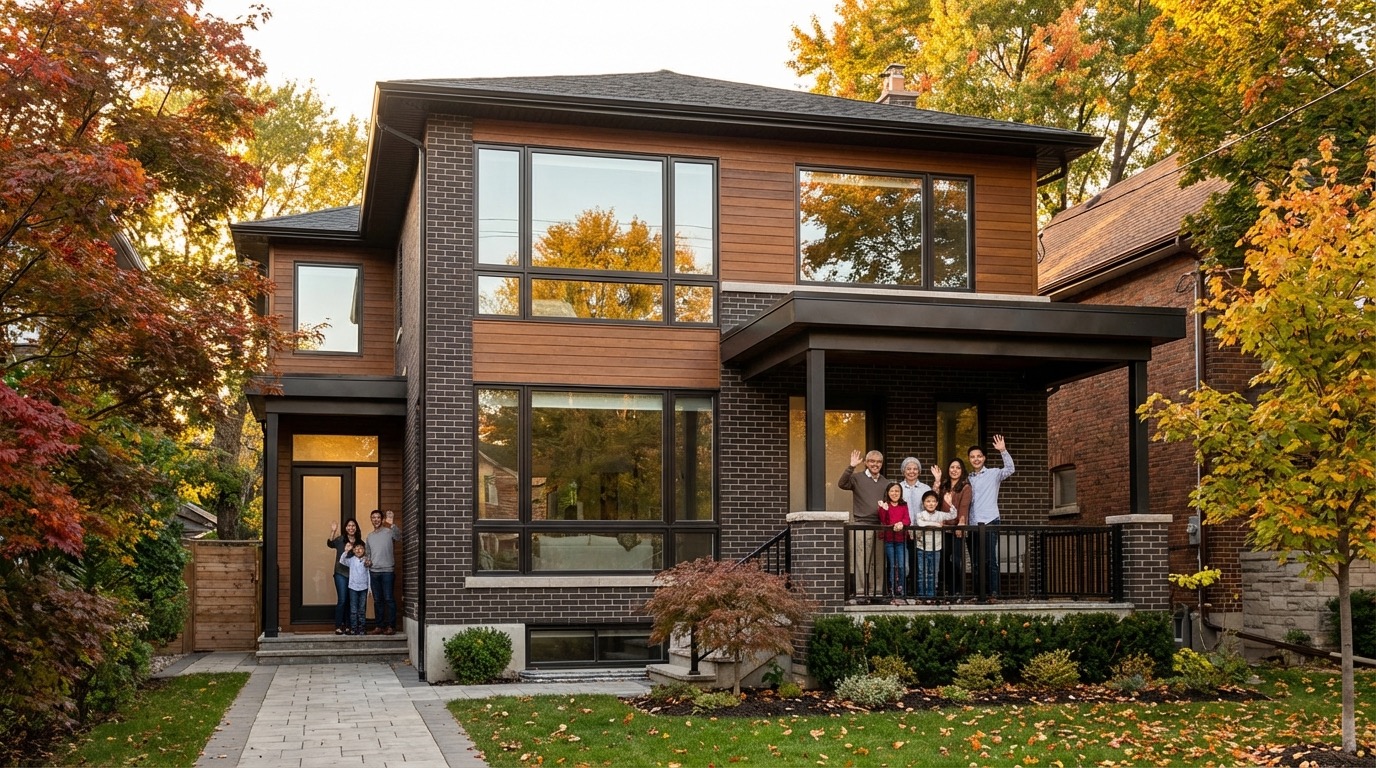
Canadian homes are increasingly evolving to match the changing lifestyles of their occupants. A spare bedroom turns into a home office during the day and a guest suite at night, while backyard spaces transform into fully functional second dwellings. Across the country, architects, builders, and homeowners are rallying around a straightforward concept: residential spaces should adapt to human needs rather than force people to adapt to rigid floor plans. This move toward flexible design is transforming neighborhoods, introducing new housing options, and enabling Canadians to maximize the utility of their properties.
Laneway Homes Turn Backyards into New Living Space
Few housing trends illustrate flexible living as clearly as the growth of laneway housing. In 1992, Toronto architects Brigitte Shim and Howard Sutcliffe designed one of the city’s pioneering modern examples in Leslieville—a project that helped clear a legal path for developing back lanes where few guidelines existed, according to Craig Race Architecture. Decades later, laneway structures are common across Vancouver, Toronto, and Edmonton. They offer reliable rental streams, comfortable housing for family members, or dedicated studio spaces, all while introducing gentle density to established neighborhoods. What started as an experimental design choice has grown into a widely accepted component of modern Canadian cities.
Modular Construction Brings Speed and Precision to Design
Modular building methods supply a practical, efficient foundation for flexible home design. Off-site construction in controlled factory settings yields precise results, tighter schedules, and far greater predictability than conventional job sites. This manufacturing model allows builders to offer varied arrangements, from compact studio spaces to multi-bedroom units, while maintaining rigorous quality control. Homeowners gain clearer budget expectations and faster move-in dates, while modular workflows naturally support customized layouts well before site assembly begins.
Multi-Use Rooms Maximize Every Square Foot
Flexible housing relies heavily on spaces designed for multiple uses. An office equipped with smart, foldable furnishings seamlessly transitions into a sleeping area for visitors, while a finished basement can comfortably serve both as a communal family zone and an independent rental unit. This versatile approach lets property owners extract maximum value from their existing square footage without expanding a building’s footprint, reflecting a widespread cultural shift toward viewing homes as dynamic environments that adapt to daily routines.
Accessory Dwelling Units Expand What a Single Lot Can Offer
Accessory dwelling units—frequently referred to as laneway homes or garden suites in Canada—are expanding the potential of individual residential lots. These self-contained structures sit alongside primary residences, allowing families to support aging relatives nearby, generate additional income, or establish separate work environments. Their main advantage lies in how gracefully they accommodate lifestyle shifts over time, whether welcoming extended family or supporting a growing home business.
Personalization Meets Practicality in Modern Layouts
Contemporary flexible design goes beyond core utility by prioritizing aesthetic appeal and comfort. Builders now offer extensive customization options in finishes, interior layouts, and room flow, making smaller floor plans feel intentional and expansive. This blend of personal style and spatial efficiency ensures compact residences feel tailored and elevated, proving that modest living spaces can be both functional and refined.
Canadian entrepreneur, author, and thought leader Adam Gant stands out as a prominent champion for these adaptable spaces. Adam Gant Victoria has a depth of experience across a range of real estate specialties, including residential, retail, office, industrial, hospitality, land development, and senior care. By bringing together laneway housing, modular methods, and multi-purpose interiors, flexible home design delivers long-term durability and functionality tailored to modern living.