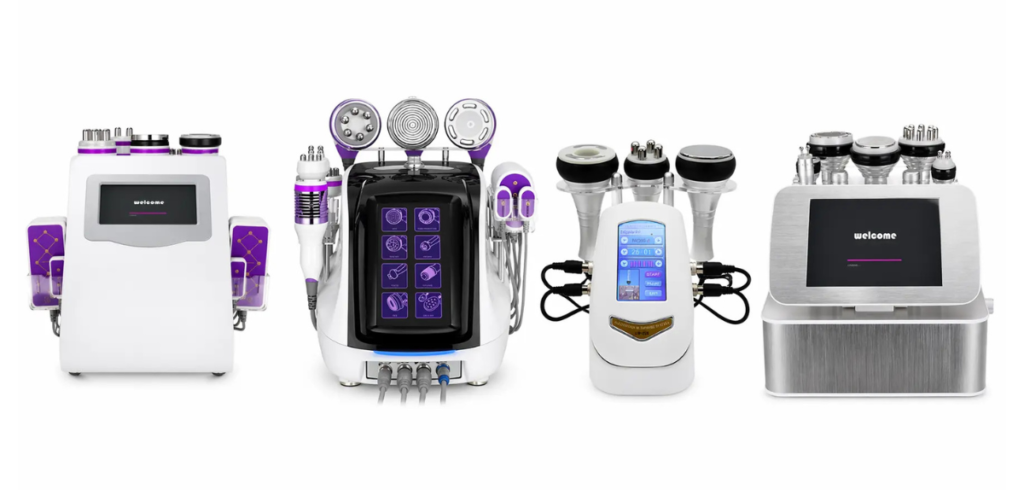
Many people today are looking for effective ways to improve body shape without undergoing surgery. Advances in aesthetic technology have introduced several non-invasive treatments that aim to reduce stubborn fat and improve body contours. Among these innovations, cavitation has become one of the most recognized options for individuals seeking gradual body sculpting.
For those interested in learning more about a cavitation machine, understanding how the technology works is the first step toward making an informed decision. This guide explains the science, benefits, treatment process, safety considerations, and maintenance tips associated with ultrasonic cavitation technology.
What Is a Cavitation Machine?
A cavitation machine is a device designed to use low-frequency ultrasound waves to target localized fat deposits beneath the skin. These sound waves create microscopic bubbles within fat cells. As the bubbles expand and collapse, they place pressure on the fat cells, causing their contents to break down.
The released fatty substances are then processed naturally by the body’s lymphatic system and liver before being eliminated over time. Since the treatment focuses on fat cells without affecting surrounding tissues, it has become a popular non-invasive body contouring option.
Unlike surgical procedures, cavitation treatments generally do not require anesthesia, incisions, or lengthy recovery periods.
How Ultrasonic Cavitation Works
Understanding the treatment process helps explain why results appear gradually rather than immediately.
Ultrasound Energy
The device emits carefully controlled low-frequency ultrasound waves. These waves pass through the skin and concentrate on fat tissue beneath the surface.
Formation of Microbubbles
The ultrasound energy creates microscopic bubbles inside fat cells. These bubbles rapidly expand and collapse, disrupting the integrity of the fat cell membrane.
Natural Fat Elimination
After the fat cells are broken down, their contents are transported through the body’s natural metabolic processes. Hydration, exercise, and a balanced diet often support this elimination process.
Because the body requires time to process the released fat, improvements usually become visible over several weeks.
Benefits of Cavitation Technology
Many people choose cavitation because it offers several practical advantages compared to more invasive procedures.
Non-Invasive Procedure
One of the greatest benefits is that there are no surgical incisions, stitches, or general anesthesia involved. Most individuals can return to normal daily activities shortly after treatment.
Minimal Recovery Time
Unlike surgical body contouring, cavitation sessions usually require little or no downtime. Mild redness or warmth may occur temporarily but often resolves quickly.
Targeted Fat Reduction
The technology focuses on stubborn fat deposits that may remain despite regular exercise and healthy eating habits.
Common treatment areas include:
- Abdomen
- Waist
- Love handles
- Thighs
- Arms
- Back
- Hips
Comfortable Experience
Many people describe the treatment as comfortable. During the procedure, individuals often feel a gentle warming sensation or hear a faint ringing sound caused by the ultrasound frequency.
Who May Benefit from Cavitation?
Ultrasonic cavitation is generally intended for healthy adults who wish to improve body contours rather than achieve significant weight loss.
Suitable candidates often include individuals who:
- Have localized fat deposits
- Maintain a relatively stable weight
- Follow healthy lifestyle habits
- Have realistic expectations
- Prefer non-surgical treatments
It is important to understand that cavitation is not considered a treatment for obesity. Instead, it works best as a body sculpting method.
Areas Commonly Treated
Different parts of the body respond differently depending on fat distribution and skin condition.
Abdomen
The stomach remains one of the most frequently treated areas due to persistent fat accumulation.
Waist and Love Handles
Many individuals seek improved waist definition by reducing fat around the sides of the abdomen.
Thighs
Both inner and outer thighs can benefit from contouring treatments aimed at improving body proportions.
Arms
Upper arm fat can sometimes remain resistant to exercise alone, making it another common treatment area.
Back
Back fat around the bra line or lower back is another area frequently addressed with ultrasonic cavitation.
What Happens During a Session?
A typical treatment follows several straightforward steps.
Consultation
Before treatment, the practitioner usually evaluates the individual’s goals, medical history, and treatment suitability.
Preparation
The targeted area is cleaned, and a conductive gel is applied to improve ultrasound transmission.
Treatment
The applicator moves slowly across the treatment area while ultrasound energy is delivered.
Sessions commonly last between 30 and 60 minutes, depending on the size of the area being treated.
Aftercare
Following treatment, individuals are generally encouraged to:
- Drink plenty of water
- Stay physically active
- Follow a balanced diet
- Avoid excessive alcohol consumption
- Support healthy lymphatic circulation
How Many Sessions Are Usually Needed?
Results vary considerably from person to person.
Several factors influence treatment outcomes:
- Amount of localized fat
- Body metabolism
- Lifestyle habits
- Hydration levels
- Physical activity
Many treatment plans involve multiple sessions scheduled several days apart to allow the body adequate time to process released fat.
Consistency often produces better long-term improvements than expecting dramatic results after a single visit.
Lifestyle Habits That Support Better Results
Body contouring treatments work best when combined with healthy daily habits.
Balanced Nutrition
Eating nutrient-rich foods supports normal metabolism and overall wellness.
Recommended dietary choices include:
- Lean proteins
- Fresh vegetables
- Fruits
- Whole grains
- Healthy fats
Reducing excessive sugar and processed foods may also help maintain results.
Hydration
Water supports lymphatic circulation, which plays an important role in removing broken-down fat from the body.
Many professionals encourage drinking adequate water both before and after treatment sessions.
Regular Exercise
Walking, strength training, cycling, or swimming can complement body contouring efforts while improving cardiovascular health.
Safety Considerations
Ultrasonic cavitation has become widely used in aesthetic practices when performed appropriately.
However, treatment may not be suitable for everyone.
Individuals should consult a qualified healthcare professional if they have:
- Pregnancy
- Pacemakers
- Severe liver disease
- Kidney disorders
- Active infections
- Certain implanted medical devices
Following professional guidance helps minimize potential risks while improving treatment safety.
Choosing the Right Equipment
Whether for professional clinics or personal research, understanding equipment quality is important.
Several factors deserve consideration.
Technology
Modern systems often incorporate updated ultrasound frequencies and adjustable settings to accommodate different treatment areas.
Ease of Operation
User-friendly controls allow more precise treatment planning and consistent operation.
Build Quality
Reliable construction contributes to longer equipment lifespan and consistent performance.
Safety Features
Many advanced systems include automatic timers, adjustable intensity levels, and built-in protection mechanisms for improved user safety.
Common Misconceptions About Cavitation
Several myths surround ultrasonic cavitation.
Myth: It Causes Instant Weight Loss
Cavitation focuses on body contouring rather than overall weight reduction. Visible improvements develop gradually.
Myth: One Session Solves Everything
Most individuals require multiple treatments combined with healthy habits to achieve noticeable changes.
Myth: No Lifestyle Changes Are Needed
Healthy eating, hydration, and exercise significantly support treatment outcomes and long-term maintenance.
Maintaining Results
Maintaining body contouring improvements depends largely on everyday habits.
Helpful long-term practices include:
- Staying physically active
- Drinking sufficient water
- Eating balanced meals
- Maintaining stable body weight
- Getting adequate sleep
- Managing stress effectively
Since remaining fat cells can still expand with excessive calorie intake, consistent healthy habits remain important.
Conclusion
Ultrasonic cavitation has become a well-known non-invasive body contouring option for individuals seeking gradual improvements in stubborn fat deposits. While it is not intended as a replacement for healthy living or significant weight loss, it can complement a balanced lifestyle by helping improve body shape over time.
Before considering any cavitation machine, it is helpful to understand how the technology works, realistic treatment expectations, and the importance of maintaining healthy lifestyle habits for long-lasting results.
Frequently Asked Questions
1. Does cavitation permanently remove fat?
Ultrasonic cavitation damages targeted fat cells, and the body naturally eliminates their contents over time. However, remaining fat cells can still enlarge if a person gains weight. Maintaining a healthy diet and regular exercise helps preserve body contouring results for the long term.
2. Is cavitation painful?
Most individuals describe the treatment as comfortable and non-invasive. During a session, some people notice a gentle warming sensation or hear a high-pitched ringing sound caused by the ultrasound waves. Significant discomfort is uncommon when treatments are performed correctly.
3. How soon can results be seen?
Results vary depending on metabolism, lifestyle, and the treatment area. Some individuals notice gradual improvements after a few sessions, while others may require additional treatments. Since the body needs time to process released fat, visible changes usually appear over several weeks.
4. Can cavitation replace diet and exercise?
No. Cavitation is designed to complement—not replace—a healthy lifestyle. Balanced nutrition, regular physical activity, proper hydration, and maintaining a stable weight all contribute to better treatment outcomes and help maintain improvements after body contouring sessions.
5. Who should avoid cavitation treatments?
People who are pregnant, have pacemakers, severe liver or kidney conditions, active infections, or certain implanted medical devices should consult a qualified healthcare professional before considering ultrasonic cavitation. A proper medical assessment helps determine whether the treatment is appropriate and safe.