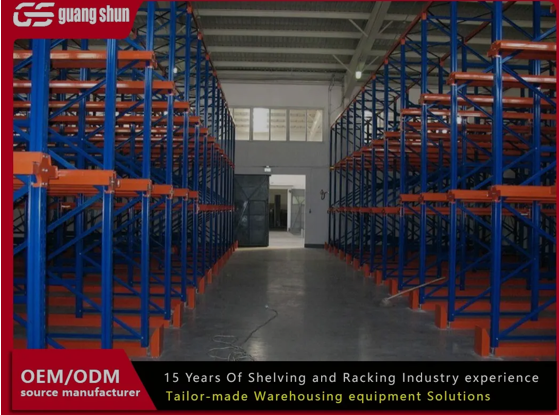
A reliable Pallet Racking system is essential for any business that manages large volumes of goods or inventory. It serves as the structural foundation of modern warehousing, allowing products to be stored vertically in an organized, accessible, and space-efficient manner. From logistics hubs and distribution centers to manufacturing plants and retail warehouses, pallet racking has become a universal solution for effective storage management.
This system not only helps businesses optimize floor space but also ensures safe and systematic storage of palletized goods. By using forklifts or automated retrieval systems, operators can easily store and retrieve products, improving workflow and reducing handling time. A well-designed Pallet Racking system enhances productivity, safety, and scalability—making it an indispensable part of any industrial storage operation.
What Is Pallet Racking?
Pallet Racking refers to a storage system built from steel frames and beams that hold goods stacked on pallets or skids. It’s engineered to store materials in multiple horizontal rows with vertical levels. The design provides easy access to products while maximizing the use of available space.
This storage solution is highly versatile and can be configured to meet various warehouse layouts and inventory needs. The system’s adaptability makes it ideal for industries that deal with bulk items, heavy materials, or diverse product types.
Common Types of Pallet Racking Systems
Different types of pallet racking systems are available, each designed for specific storage and accessibility requirements:
- Selective Pallet Racking:
The most common and cost-effective system that allows direct access to every pallet. Ideal for warehouses that store a variety of goods with frequent rotation. - Drive-In and Drive-Through Racking:
High-density storage options that enable forklifts to enter the rack structure. Drive-in systems work on a “Last In, First Out” (LIFO) principle, while drive-through systems operate on “First In, First Out” (FIFO). - Push Back Racking:
Uses a system of carts and inclined rails to store pallets multiple positions deep. Suitable for medium-turnover inventory and efficient space usage. - Cantilever Racking:
Designed for long or irregularly shaped items such as lumber, pipes, or furniture. Features arms extending from vertical columns for unobstructed storage. - Double-Deep Racking:
Stores two pallets deep per rack, increasing storage density while maintaining good accessibility.
Each of these systems can be customized depending on load capacity, warehouse height, and inventory turnover rate.
Advantages of Using a Pallet Racking System
Choosing the right Pallet Racking offers numerous benefits that directly improve warehouse efficiency and safety.
- Optimized Space Utilization: Maximizes vertical and horizontal space, reducing the need for additional storage facilities.
- Improved Workflow Efficiency: Streamlined product handling increases picking speed and reduces downtime.
- Enhanced Safety: Heavy-duty steel construction ensures load stability and compliance with safety standards.
- Scalability: Can be expanded or reconfigured as business needs grow.
- Cost Savings: A one-time investment that reduces long-term operational and maintenance costs.
- Better Inventory Management: Enables systematic organization and quick retrieval of goods.
These advantages make pallet racking an essential investment for any business focused on efficient logistics and storage optimization.
Key Considerations When Choosing Pallet Racking
When selecting a pallet racking system, several factors must be considered to ensure it aligns with your warehouse’s needs:
- Load Capacity: Determine the maximum weight per level and total rack capacity.
- Warehouse Layout: Plan for aisle width, ceiling height, and equipment access.
- Product Type: Different goods require specific racking configurations.
- Inventory Turnover: Choose between FIFO or LIFO systems depending on product rotation.
- Safety Compliance: Ensure the system meets industry standards for design, load, and durability.
Consulting with a professional racking supplier can help in designing a layout that maximizes space, ensures safety, and improves efficiency.
The Future of Pallet Racking Systems
As technology continues to shape the warehousing industry, pallet racking systems are evolving to include automation and smart integration. Advanced systems are now being combined with warehouse management software (WMS), robotics, and IoT sensors for real-time tracking, automatic loading, and predictive maintenance. These innovations help businesses improve accuracy, speed, and overall warehouse performance.
Additionally, sustainable materials and eco-friendly manufacturing practices are becoming more common, ensuring that modern pallet racking systems are both durable and environmentally responsible.
Conclusion
A Pallet Racking system is more than just a storage framework—it’s a critical component of an efficient and organized warehouse. With the right system in place, businesses can significantly improve safety, productivity, and scalability. Whether you’re managing a small facility or a large industrial operation, investing in a high-quality pallet racking solution ensures long-term efficiency and a strong foundation for growth.