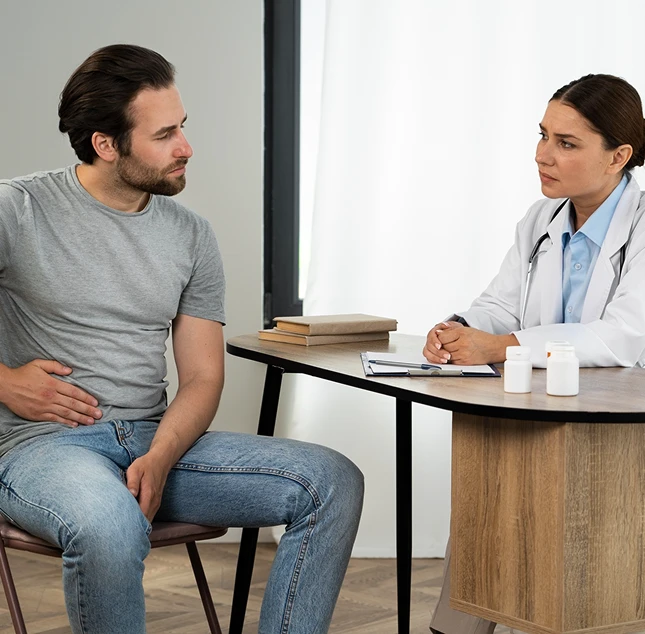
Living with ongoing pelvic discomfort can affect how a person moves, rests, and concentrates. For many men with prostatitis, pain continues despite multiple medical visits and short term treatments. As a result, attention has shifted toward Prostatitis Pain Treatment that addresses physical contributors rather than focusing only on symptom control. This approach works by improving muscle coordination, reducing nerve sensitivity, and supporting healthy circulation within the pelvic region.
Understanding the Physical Drivers of Prostatitis Pain
Prostatitis symptoms are commonly assumed to originate solely from the prostate itself. In many cases, however, discomfort is influenced by surrounding structures. The pelvic floor muscles play a direct role in bladder control, blood flow, and pressure regulation within the pelvis. When these muscles remain tight or overactive, they can place constant strain on nearby nerves and soft tissues.
Chronic tension often develops gradually. Stress, prolonged sitting, altered breathing patterns, and guarded movement responses can reinforce muscle holding patterns that worsen pain over time. As the nervous system becomes more reactive, discomfort may spread or fluctuate without a clear trigger, making relief feel unpredictable.
The Role of Pelvic Floor Physical Therapy
Pelvic floor physical therapy addresses prostatitis pain by focusing on movement quality and muscle behavior rather than isolated symptoms. Evaluation looks at how the pelvic floor interacts with the hips, abdomen, posture, and breathing. This whole body perspective helps identify patterns that keep pain active.
Treatment plans are individualized and may include:
- Hands-on techniques to release restricted pelvic muscles
- Gentle movement strategies to reduce pressure on sensitive nerves
- Breathing work that supports nervous system regulation
- Education that helps reduce unconscious muscle guarding
By addressing these elements together, therapy encourages the body to move out of a constant protective state.
Moving Away From Short Term Fixes
Medication can be helpful in specific situations, but it does not correct muscle dysfunction. Many individuals experience recurring symptoms because the underlying tension patterns remain unchanged. Repeated treatment cycles without physical intervention often lead to frustration and limited progress.
A physical therapy based approach offers a non-invasive option that supports long term improvement. Rather than focusing on a single structure, it considers how daily habits, stress responses, and movement mechanics influence pelvic health. This broader focus helps reduce the likelihood of symptom recurrence.
A Sustainable Path Toward Relief
As pelvic muscles regain flexibility and coordination, pressure on nerves often decreases. Improved blood flow supports tissue health, while nervous system calming techniques help reduce pain sensitivity. Many individuals notice improved comfort during sitting, walking, exercise, and rest, along with greater confidence in managing symptoms.
This approach aligns with the current understanding of chronic pelvic pain. Treating the physical contributors behind prostatitis symptoms allows the body to recover without relying on repeated medications or invasive procedures.
Prostatitis pain does not have to dictate daily life. With targeted physical therapy that respects the complexity of the pelvic region, meaningful improvement becomes achievable and sustainable.