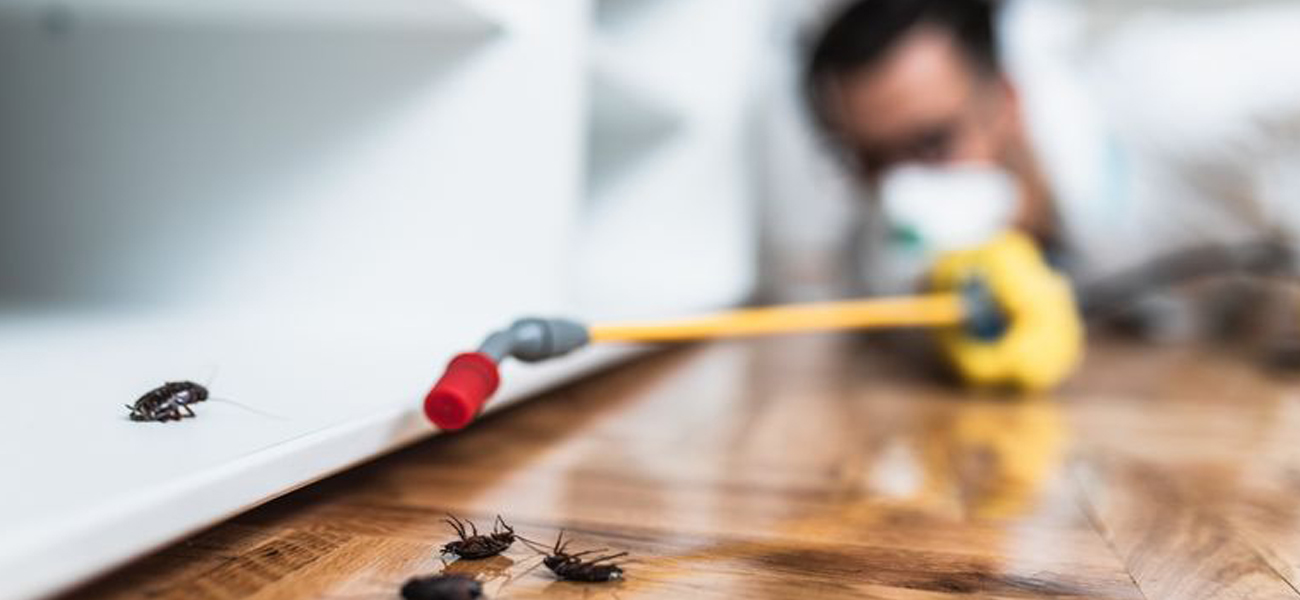
Musty, mouldy, or damp odours in a home are more than just unpleasant — they’re often a critical warning sign that multiple pest infestations may be active behind the walls. Many homeowners assume these smells come from mould growth or dampness alone, but in reality, several pests often thrive in the same moist environment. Hidden moisture attracts termites, rodents, and cockroaches, each contributing to different odours.
Acting quickly is important because unusual smells are often one of the earliest indicators of hidden pest activity. An experienced pest exterminator, a qualified building inspector, and sometimes even a plumber can help identify the underlying causes before they develop into major structural or health risks.
Why Musty Odours Should Never Be Ignored
Ignoring persistent musty smells allows infestations to spread, structural components to deteriorate, and health risks to increase. Damp indoor environments promote mould growth, which can lead to allergies and respiratory issues. At the same time, pests can damage timber, insulation, wiring, and plumbing. It is always cheaper to address odours early rather than deal with expensive structural repairs later.
Hidden Moisture Is a Magnet for Multiple Pests
Blocked drains, leaking pipes, and ongoing condensation create hidden moisture pockets that attract several types of pests. This is where a plumber becomes essential. Termites are drawn to softened timber, and when water collects inside walls or under floors, they gain easy access.
Cockroaches thrive in dark, humid areas, while rodents build nests close to water and food sources. Persistent moisture often means you’re dealing with overlapping infestations. In these cases, fixing the leak alone won’t solve the issue. You’ll need both a plumber to stop the moisture source and a pest exterminator to eliminate the pests that have already moved in.
Termite Damage Creates Damp, Musty Timber Odours
Timber that has been compromised by termites gives off a distinct musty smell, similar to damp paper or wet cardboard. In severe cases, the odour becomes noticeable around skirting boards, walls, and subfloor areas.
A building inspector is crucial for identifying termite-damaged zones and determining how far the infestation has spread. Working alongside a pest exterminator, they ensure the termites are found, treated, and prevented from causing further damage.
Rodent Nests and Urine Create Strong, Persistent Smells
Rodents nesting in ceilings, wall cavities, or under floors leave behind a sharp, ammonia-like smell. Their nesting material, urine, and droppings create a strong, lingering odour, especially in damp environments where rodents are attracted in the first place.
Many homeowners are surprised to learn how often rodents coexist with termites or cockroaches, especially in moisture-prone areas. A pest exterminator can remove the rodents, while addressing moisture issues helps stop them from returning. This is where Rodent pest control and plumbing repairs may both be required.
Cockroach Droppings and Debris Have a Mouldy Smell
Cockroach droppings and shed skins produce a stale, mouldy smell that becomes stronger as the infestation grows. These odours often accumulate in cupboards, behind fridges, under sinks, and inside wall voids. Warm, humid conditions increase their numbers rapidly.
A building inspector can identify moisture pockets and structural gaps that allow cockroaches to thrive, while a pest exterminator removes the active infestation. This combined approach ensures long-term results instead of temporary fixes.
In addition to the unsettling presence of musty odors, homeowners may notice other signs that pests have taken up residence. Scratching noises in walls, droppings in hidden corners, or chewed wires can all indicate a more significant issue at hand. It’s crucial to address these problems promptly to prevent further damage and potential health risks. For those residing in the Steel City, seeking professional assistance can be a wise move. Engaging experts in pest control Pittsburgh can help identify the root cause of these issues and implement effective solutions, ensuring your home remains a safe and pleasant environment. Regular inspections and maintenance can also play a vital role in keeping unwanted guests at bay.
Ending Note
Musty odours should never be ignored. They are often early signs of dampness and hidden pest activity that can damage your home and affect your health. Taking these smells seriously can save you costly repairs down the track and prevent large infestations from developing.
Working with a pest exterminator, a qualified building inspector, and a local plumber helps identify all contributing issues and ensures proper solutions. By acting early, you protect your home, maintain a healthy environment, and stop pest problems before they escalate.
FAQs
1. Why musty smells occur when there is a pest infestation?
Dampness, pest droppings, termite-damaged timber, and hidden leaks can all contribute to strong, persistent musty odours.
2. Should I call a pest exterminator immediately?
Yes. If musty smells persist, it can indicate termites, rodents, or cockroaches hiding inside walls or flooring. A pest exterminator should be contacted as soon as possible.
3. Can a plumber fix pest-related moisture issues?
Yes. A plumber can repair leaks, drains, and water damage that create damp areas where pests thrive.
4. Why involve a building inspector?
A building inspector identifies structural weaknesses, water damage, concealed pest entry points, and areas needing repairs or treatment.
5. Does a musty smell always mean multiple pests?
Often, yes. Damp environments commonly attract termites, rodents, and cockroaches at the same time, leading to overlapping infestations inside the home.