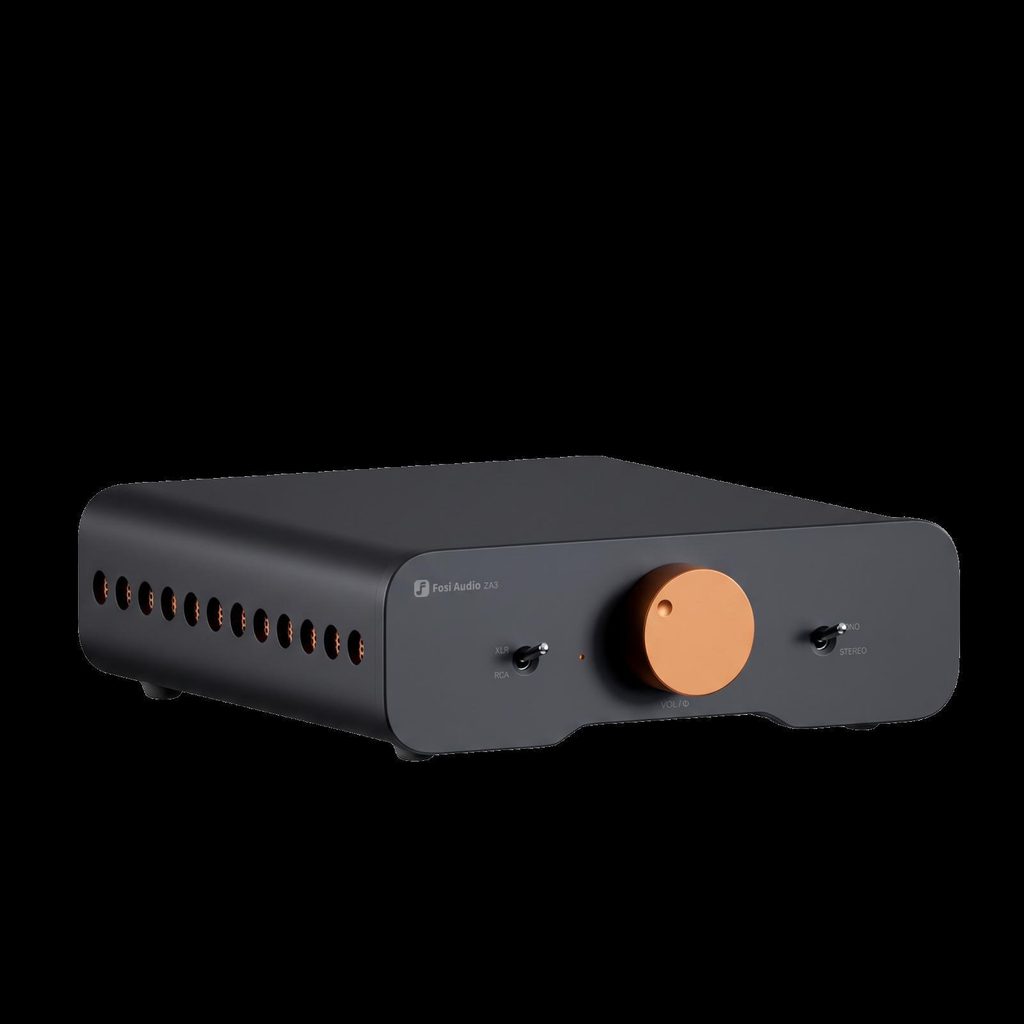
You do not need a rack full of gear to enjoy great sound at home. One well-chosen amplifier, a pair of speakers you like, and a source you already own are enough to build a system that beats most soundbars and Bluetooth speakers — and it will still be upgradeable years from now.
This guide walks through that build step by step, from picking the box to placing your speakers, so you can set it up in an afternoon and enjoy it for years.
Start with the heart of the system
Every system needs a centre, and here that centre is the amplifier. It decides what you can connect, how loud things go, and how clean everything sounds. Choose it after a quick think about your sources: do you stream from a phone, spin vinyl, watch TV through the system, or all three? Each answer points to the inputs you need.
An amplifier with a built-in DAC covers streaming and TV nicely, while a phono input covers vinyl without an extra box. If you already own a separate DAC or turntable preamp, plain analogue inputs are fine. The goal is the smallest number of boxes that covers everything you actually do — fewer boxes means fewer cables, fewer remotes, and fewer things to go wrong.
Speakers: the part you hear most
Speakers shape the sound more than any other component, so spend the biggest share of your budget here. Bookshelf speakers suit small rooms and desks; floor-standing models suit larger spaces and deeper bass. Listen before you buy if you can, and bring music you know well — familiar tracks reveal differences faster than any demo playlist.
Match the speakers to the amplifier you picked: check sensitivity and impedance, and make sure the box can drive them comfortably. A well-matched pair of efficient bookshelf speakers and a modest amplifier will embarrass a mismatched expensive pairing every time.
Sources, cables, and placement
Your phone, a streamer, a turntable, or your TV can all feed the system — you probably already own at least one good source. Connect it with decent, not extravagant, cables: spend on solid connectors and sensible lengths, not on exotic claims. Digital connections like optical or coaxial keep things simple for TV and streaming.
Placement is free and it matters enormously. Pull speakers away from the wall a little, keep them roughly level with your ears when seated, and form a triangle with your listening chair. Toe them in slightly toward you. These small moves can improve the sound more than any upgrade, and they cost nothing.
When the system is wired up, resist the urge to tinker endlessly. Set the volume to your normal level, play something you love, and just listen for a while. If you are comparing amplifier options before you buy, a quick look at a current amplifier range can help you settle on the right size and feature set for your room.
Growing the system later
The beauty of a separates-based setup is that it grows with you. Add a subwoofer for deeper bass, a streamer for multi-room audio, or a better turntable when the budget allows — the core stays the same. Keep your boxes ventilated, dust the vents occasionally, and leave a little slack in the cables so you can reach the back without a wrestling match.
Resist upgrade fever. If the system sounds good, it is good. The best setups are the ones you stop thinking about and simply enjoy.
Mistakes first-time builders make
The first mistake is putting speakers in the worst possible spot: jammed into corners or buried in a cabinet. Speakers need air around them to sound open, and no amplifier can fix a speaker suffocating against a wall. Pull them out, give them space, and your system improves for free.
The second mistake is buying everything at once without listening. Order the amplifier first, live with it for a week, and then choose speakers with fresh ears. Rushing the whole system in one order usually means one weak link you notice forever.
The third mistake is cable obsession. Good cables matter, but a fifty-dollar cable does not beat a ten-dollar one in any test you can hear. Spend the difference on music, or on a better amplifier if your current one is genuinely the weak point.
The fourth mistake is ignoring the room. Bare walls, glass, and hard floors make any system sound bright and echoey. A rug, curtains, and a bookshelf tame reflections more effectively than any upgrade, and they cost far less.
Finally, do not chase volume over quality. An amplifier pushed to its limit sounds worse than a smaller one cruising comfortably. Set up for the volume you actually use, not the volume you imagine using at a party twice a year — and if you later need more power, that is what the upgrade path is for.
One more habit worth building: label your cables and leave slack behind the rack. The next time you swap an amplifier, you will thank yourself — and so will anyone who helps you move the system.
One box, two speakers, and a source you already own — that is a real hi-fi system, not a compromise. Build it thoughtfully, place it well, and you will have music at home that sounds the way the artists intended, every single day.