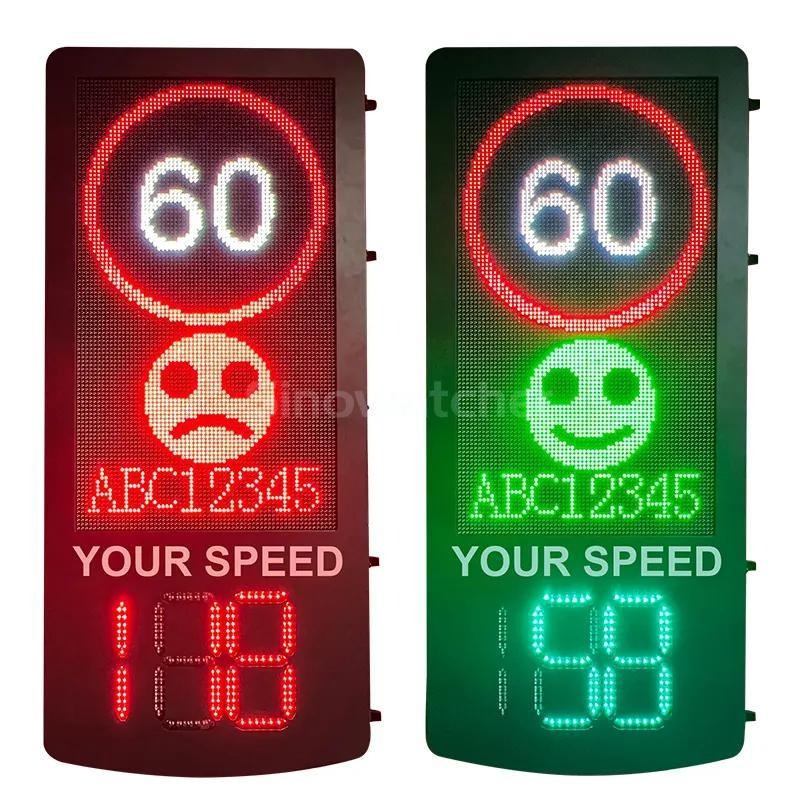
Every driver has seen one: a roadside sign that flashes your speed back at you in big bright numbers. It feels almost too simple to work, yet study after study shows it does. A radar speed display taps into something a static speed limit sign cannot: the moment of self-awareness when you see your own number.
Unlike a speed camera, the display does not fine anyone. It simply shows the truth, and most drivers respond by lifting off the accelerator. That gentle correction is exactly why towns, schools, and neighbourhoods keep installing them.
Why a number works better than a sign
A speed limit sign states a rule; a radar speed display states a fact about you, right now. Psychologists call this feedback, and it is far more persuasive than a rule alone. When drivers see “47” in a 30 zone, the gap between what they are doing and what they should be doing becomes personal and immediate, and most people close that gap without being told twice.
The effect is strongest on drivers who are not deliberately speeding. Many people drift over the limit without realising it, especially on wide, straight roads that feel safe at speed. A flashing number breaks that autopilot. Deliberate speeders are harder to move, but even they tend to slow when the sign flashes a warning colour or message.
Where cities put them
Placement matters as much as the device itself. The best spots are where speed creeps up naturally: downhill stretches, long straight roads into villages, and the approach to schools and hospitals. A radar speed display works best when drivers have time and space to slow down safely after seeing it, so installing one right at a hazard is less effective than installing it a hundred metres before.
Many towns rotate a single unit between several hotspots rather than buying one for every street. This keeps drivers from getting used to it, which preserves the surprise factor that makes the feedback work. Some units also log speed data, giving councils real evidence about which streets actually have a problem and which ones only feel like they do.
What the results look like
Typical results show speed reductions of three to eight kilometres per hour while the sign is active, with the biggest drops among the fastest drivers. That may sound small, but crash severity rises steeply with speed, so even a few kilometres per hour can turn a serious injury into a minor one. A radar speed display also tends to cut the number of extreme speeders, which is where most of the danger sits.
The effect does fade if the sign never moves and drivers grow used to it. Councils counter this by rotating units, changing the display message, or pairing the sign with occasional enforcement. Used that way, the display stays a reminder rather than becoming street furniture.
Limits and common mistakes
A speed display is not enforcement, and it should not be sold as a replacement for it. On roads where speeding is chronic and deliberate, signs alone will not fix the problem; traffic calming, enforcement, or redesign is needed. The display is best understood as the first, cheapest step, not the whole solution.
Common mistakes include placing the sign where it is hidden by parked cars or vegetation, setting the warning threshold too high, and leaving a broken unit in place for months. A dark or damaged sign teaches drivers to ignore the whole programme. Regular checks and quick repairs are part of the job, not an optional extra.
The data these signs collect is almost as valuable as the slowing effect itself. Most modern units log speeds by time of day, giving councils a detailed picture of when and where speeding happens. A street that looks dangerous at school run time may be perfectly calm at midnight, and enforcement resources can be aimed accordingly. Sharing anonymised summaries with residents also builds support: people accept traffic measures more readily when they can see the numbers for their own street. Pairing the sign with occasional police enforcement multiplies the effect. Drivers learn that the flashing number is not an empty warning, and the combination of feedback plus the possibility of a fine changes behaviour more than either alone. Some councils publish the data openly, which invites local debate grounded in facts rather than anecdotes. There are limits to what data can do, though. A sign on a road designed for high speeds will record high speeds indefinitely, and the honest response in that case is road redesign, not another sign. Data should inform decisions, not delay them.
These signs work because they are honest and immediate: they show drivers what they are actually doing, without fines or arguments. For neighbourhoods and small towns, they are one of the cheapest road safety tools available. Used well, rotated often, and backed by enforcement where needed, a simple flashing number can make a street genuinely safer.