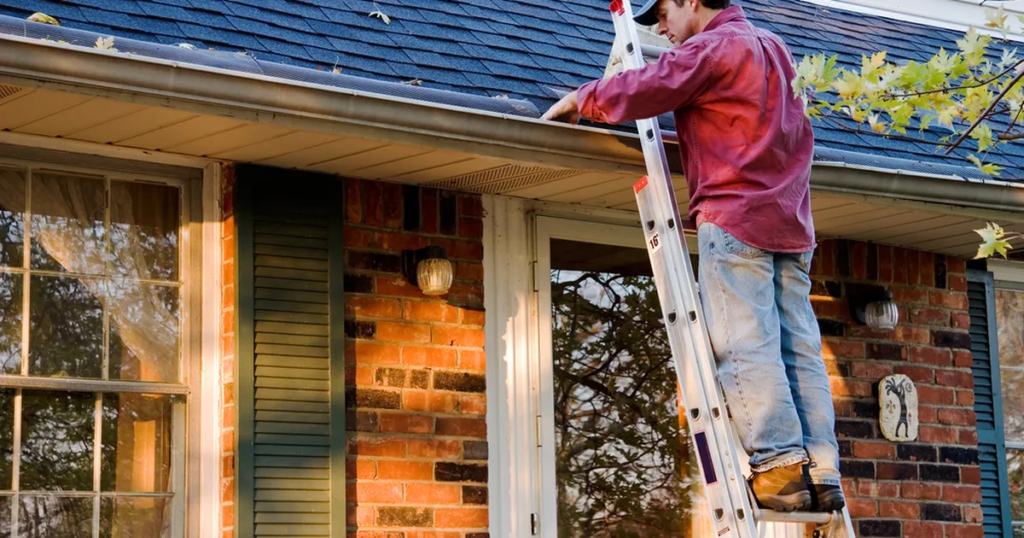
Most homeowners do not think about their roof until a leak appears or storm damage becomes impossible to ignore. By that point, what could have been a simple repair often turns into a much larger and more expensive project. Preventive roof maintenance is one of the most effective ways to protect a home, extend the lifespan of roofing materials, and avoid emergency repair costs.
A well-maintained roof does far more than keep rain out. It protects insulation, supports energy efficiency, prevents structural damage, and helps preserve property value. Whether a home has architectural shingles, metal roofing, or another roofing system, regular inspections and timely maintenance can make a major difference over the long term.
Why Roof Maintenance Matters More Than Many Homeowners Realize
Roofs are exposed to constant wear from wind, rain, sunlight, humidity, and changing temperatures. Even high-quality roofing materials eventually begin to deteriorate if small problems are left unresolved.
Minor issues that homeowners commonly overlook include:
- Missing or lifted shingles
- Cracked flashing around vents and chimneys
- Small leaks in attic spaces
- Clogged gutters causing water backup
- Moss or algae growth
- Poor ventilation leading to trapped moisture
Individually, these may not seem urgent. However, over time they can lead to rotting wood, mold growth, insulation damage, and weakened structural components.
Routine maintenance helps identify these warning signs early before they develop into major repairs or full roof replacement needs.
The Financial Benefits of Preventive Roof Care
One of the biggest misconceptions homeowners have is that roof maintenance is an unnecessary expense. In reality, preventive care often saves substantial money over the life of the roof.
Fewer Emergency Repairs
Emergency roofing work typically costs more because the damage has already spread. Water intrusion can affect ceilings, drywall, flooring, electrical systems, and insulation. Addressing issues early minimizes secondary damage.
Longer Roof Lifespan
A properly maintained roof can last years longer than a neglected one. Extending a roof’s lifespan even by five years can delay a costly replacement project and improve overall return on investment.
Improved Energy Efficiency
Roof damage and poor ventilation can increase heating and cooling costs. Proper airflow and insulation support indoor comfort and help HVAC systems operate more efficiently.
Better Property Value
A roof in good condition improves curb appeal and reassures potential buyers during inspections. Many buyers are hesitant to purchase homes with visible roofing concerns because they anticipate future expenses.
Seasonal Maintenance Tasks That Make a Difference
Different seasons create different roofing challenges. A proactive approach throughout the year helps homeowners stay ahead of potential problems.
Spring
Spring is an ideal time to inspect for winter storm damage. Heavy rain and changing temperatures can reveal leaks, damaged shingles, or gutter issues.
Important spring maintenance tasks include:
- Cleaning gutters and downspouts
- Checking for loose shingles
- Inspecting attic spaces for moisture
- Examining flashing around roof penetrations
Summer
High temperatures and UV exposure can accelerate roof aging. Summer inspections should focus on material wear and ventilation performance.
Homeowners should watch for:
- Curling shingles
- Heat-related cracking
- Ventilation issues in attic spaces
- Signs of sun damage
Fall
Fall preparation is critical before colder weather arrives. Leaves and debris can trap moisture and create drainage problems.
Recommended fall tasks include:
- Removing debris from roof valleys
- Trimming overhanging branches
- Inspecting gutters for clogs
- Scheduling a professional inspection before winter
Winter
Snow, ice, and freezing temperatures create additional stress on roofing systems. Even in milder climates, winter storms can expose existing vulnerabilities.
During winter, homeowners should monitor for:
- Ice buildup
- Interior water stains
- Drafts from attic spaces
- Sagging gutter sections
The Importance of Professional Roof Inspections
While homeowners can perform basic visual checks, professional inspections provide a much deeper evaluation of roof health. Roofing professionals understand how to identify subtle signs of deterioration that may not be obvious from the ground.
Professional inspections often include:
- Flashing assessments
- Ventilation analysis
- Structural evaluations
- Moisture detection
- Gutter system checks
- Storm damage identification
Drone inspections and detailed reporting have also become increasingly common, giving homeowners more accurate information about roof conditions without invasive procedures.
For homeowners looking to better understand roofing systems, inspection processes, and maintenance strategies, idealroofingandexteriors.com offers additional insight into residential and commercial roofing services.
How Gutters Support Roof Performance
Roof maintenance is not limited to shingles and flashing. Gutters play a major role in protecting the entire roofing system.
When gutters become clogged, water can back up beneath roofing materials and seep into fascia boards or attic spaces. Overflowing water may also damage siding, landscaping, and foundations.
Seamless gutter systems, gutter guards, and regular cleaning schedules can significantly improve drainage performance and reduce moisture-related issues.
Homeowners should especially prioritize gutter maintenance after storms or during seasons with heavy leaf accumulation.
Common Warning Signs Homeowners Should Never Ignore
Roof problems often begin with subtle symptoms. Paying attention to these warning signs can prevent much larger expenses later.
Interior Signs
- Water stains on ceilings
- Peeling paint near rooflines
- Mold or mildew odors
- Increased humidity indoors
Exterior Signs
- Missing shingles
- Dark streaks or algae growth
- Granule buildup in gutters
- Sagging roof sections
Energy-Related Signs
- Higher utility bills
- Uneven indoor temperatures
- Excessive attic heat
Addressing these indicators early often allows for targeted repairs rather than full system replacement.
Choosing Quality Materials and Installation
Maintenance is important, but material quality and installation standards also play a major role in roof longevity. Poor workmanship can shorten the life of even premium roofing products.
Homeowners considering repairs or replacement projects should pay attention to:
- Manufacturer certifications
- Warranty options
- Ventilation planning
- Material compatibility
- Contractor experience
Architectural shingles, metal roofing systems, and energy-efficient materials each offer different advantages depending on climate, budget, and long-term goals.
The best roofing strategy is usually one that balances durability, maintenance requirements, and weather resistance.
Conclusion
A roof is one of the most important protective systems in any home, yet it is often overlooked until serious damage appears. Preventive maintenance gives homeowners the opportunity to identify small problems early, extend roof lifespan, improve energy efficiency, and reduce long-term repair costs.
Consistent inspections, seasonal upkeep, gutter maintenance, and professional evaluations all contribute to a stronger and more reliable roofing system. Homeowners who take a proactive approach are far more likely to avoid emergency repairs and preserve the long-term value of their property.