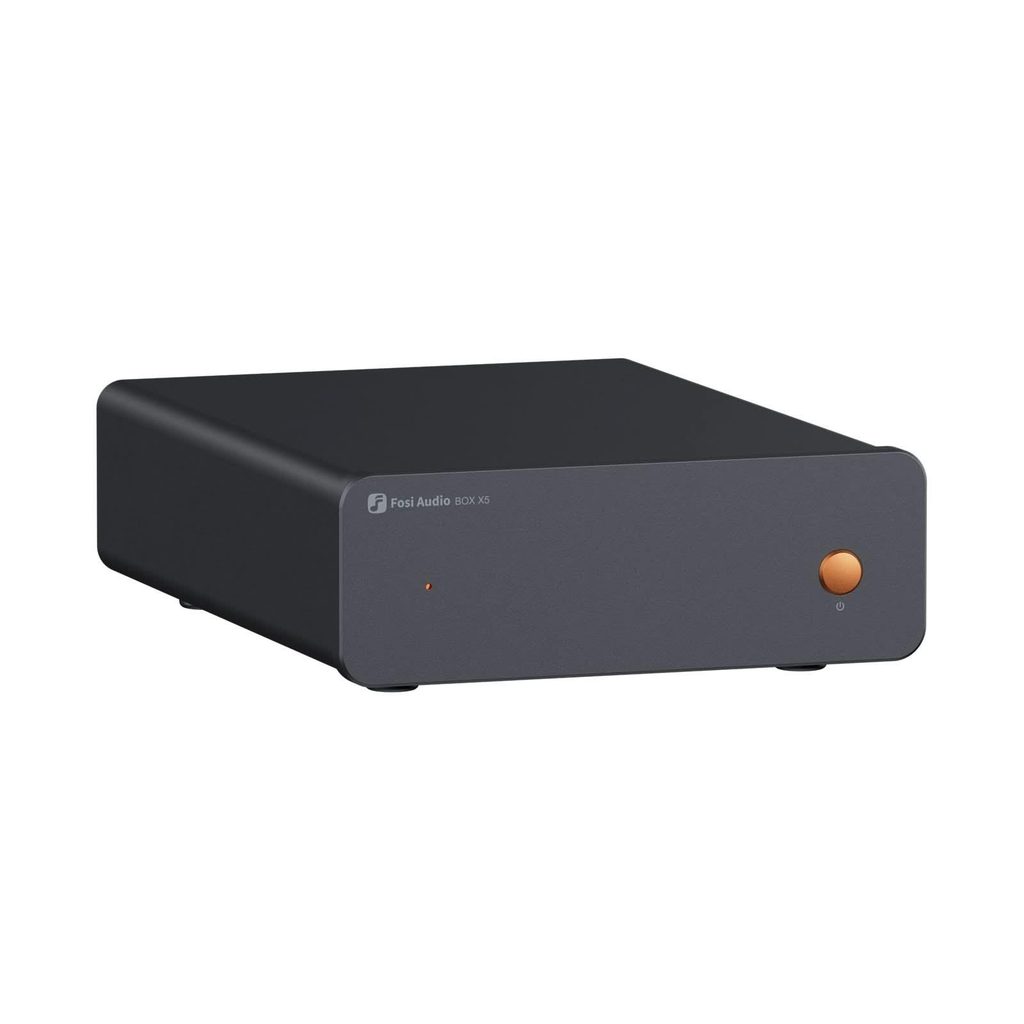
Plug a turntable straight into a normal line input and you will hear two problems at once: the music is far too quiet, and it sounds thin and tinny, with almost no bass. Both problems have the same fix, and it is a small box called a phono preamp.
Every vinyl setup needs one, whether it is built into your turntable, your receiver, or sitting as a separate unit on the shelf. Understanding what it does explains a lot about why vinyl sounds the way it does.
The signal problem: tiny and twisted
A phono cartridge produces a very small electrical signal — a moving magnet cartridge outputs a few millivolts, and a moving coil design outputs far less. That is hundreds of times weaker than the signal from a phone or CD player, so it needs serious amplification before anything else can use it.
But volume is only half the job. When records are cut, bass frequencies are reduced and treble is boosted — a deliberate trick that keeps grooves narrow and surface noise down. Playback has to reverse that exactly, boosting bass and cutting treble by the same amounts. That reverse curve is the RIAA equalisation standard, and applying it is the second job of a phono preamp.
Moving magnet vs moving coil
The two common cartridge types differ in output and in what they ask of the preamp. Moving magnet cartridges are the common choice: higher output, replaceable stylus, and forgiving of setup. Most entry-level and mid-range phono preamp designs are built around them and sound excellent.
Moving coil cartridges output much less signal and usually need extra gain, plus adjustable loading to sound their best. If you own or plan to buy a moving coil cartridge, check that your phono preamp offers a moving coil mode or enough gain — otherwise the music will stay quiet and flat however strong the rest of your setup may be.
Built-in or separate?
Many modern turntables include a switchable phono stage, and many receivers include a phono input. These built-in options are perfectly good starting points, and for a casual listener they may be all you ever need. They save money, shelf space, and cables.
A separate stage earns its place when you want better sound, adjustable settings for a low-output cartridge, or a cleaner signal path away from the noisy electronics inside a receiver. It is also the easiest upgrade in a vinyl system: swap one small box and the whole record collection can sound noticeably better.
If you are weighing the options, looking at a dedicated phono preamp lineup shows what a standalone stage offers over a built-in one — adjustable gain, better shielding, and loading options for different cartridges.
Setting it up right
Connection order matters: turntable into the phono stage, phono stage into a normal line input — never into another phono input, or the signal gets equalised twice and sounds muffled and boomy. Connect the turntable’s ground wire to the ground terminal on the preamp to keep hum away.
Keep the cables short and away from power cables where possible, and give the box some ventilation. These small habits prevent most of the noise problems vinyl newcomers blame on their records.
Caring for your vinyl chain
A vinyl system rewards small habits. Brush each record before playing, keep records in sleeves, and store them upright away from heat. Clean records sound better and wear your stylus more slowly.
The stylus itself deserves attention: check it under magnification now and then, replace it on schedule, and never drop the needle onto a record. A worn stylus damages grooves permanently, and no electronics can undo that damage.
Keep the turntable level — a small spirit level on the platter tells you the truth in seconds — and keep the belt and bearing clean according to the maker’s instructions. Dust the shelf, keep drinks away from the deck, and give the electronics ventilation so they run cool and last longer.
Finally, listen regularly rather than endlessly tweaking. If the system sounded great last month and sounds dull now, something changed: a dirty record, a tired stylus, or a cable knocked loose. Work back through the simple causes before assuming anything expensive has failed.
A little record-keeping helps too: note when you fitted the stylus and when you last cleaned the records. Those dates turn vague worries into simple maintenance, and they help you spot patterns — like a particular record that always crackles, or a season when static gets worse.
A phono preamp is not an accessory; it is a required part of every vinyl system, doing two essential jobs at once. Get one that matches your cartridge, connect it correctly, and your records will sound full, balanced, and alive — the way they were meant to.